
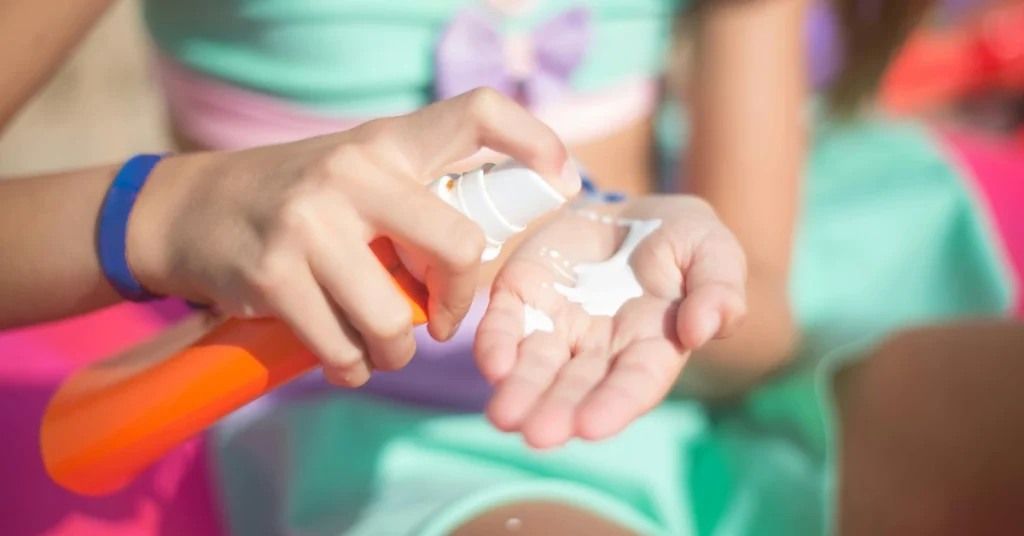
I used to think wearing SPF once in the morning meant I was fully protected all day 😭
So every summer, I’d spend money on brightening serums, dark spot treatments, and “glow” products… while my skin somehow kept looking more uneven by August.
At first, I blamed hormones.
Then skincare products.
Then stress.
But honestly? The biggest problem was how badly I was using sunscreens.
Once I fixed a few simple SPF mistakes, my skin tone started looking noticeably more even — and my dark spots stopped getting darker every week.
That’s also when I realized finding the best sun protection product isn’t just about the formula itself. It’s about how consistently and correctly you use it.
- Why Dark Spots Get Worse During Summer ☀️
- 1. Only Applying SPF Once in the Morning
- 2. Using Too Little Product
- 3. Forgetting About UV Exposure Indoors
- 4. Choosing SPF Based Only on Texture
- 5. Skipping SPF Because You Want to Tan
- 6. Not Reapplying After Sweat or Swimming
- 7. Thinking Expensive SPF Automatically Means Better Protection
- The SPF Habits That Helped My Dark Spots Most 💡
- Summer SPF Q&A ☀️
- My Honest Take 💬
- Closing Thoughts ✨
- If You’re Working on Your Skin…
Why Dark Spots Get Worse During Summer ☀️
Summer heat, stronger UV exposure, and longer daylight hours make pigmentation much easier to trigger.
That means:
- old acne marks darken faster
- hyperpigmentation lasts longer
- uneven skin tone becomes more visible
Even tiny amounts of sun exposure every day can slow down progress.

That’s why using the best sunscreen properly matters more than buying stronger skincare products.
Most people focus too much on correcting dark spots and not enough on preventing them.
1. Only Applying SPF Once in the Morning
This was my biggest mistake.
I used sunscreen at 8 a.m… then stayed outside for hours thinking I was still protected.
But sunscreen fades throughout the day because of:
- sweat
- touching your face
- oil production
- heat exposure
Now I reapply SPF every few hours if I’m outside.
👉 The Beauty of Joseon Relief Sun became one of my favorites because it layers well without feeling heavy or greasy.
Once I started reapplying consistently, my skin stopped getting noticeably darker during summer.
2. Using Too Little Product
Most people don’t apply enough SPF to get the protection written on the bottle.
I definitely didn’t.
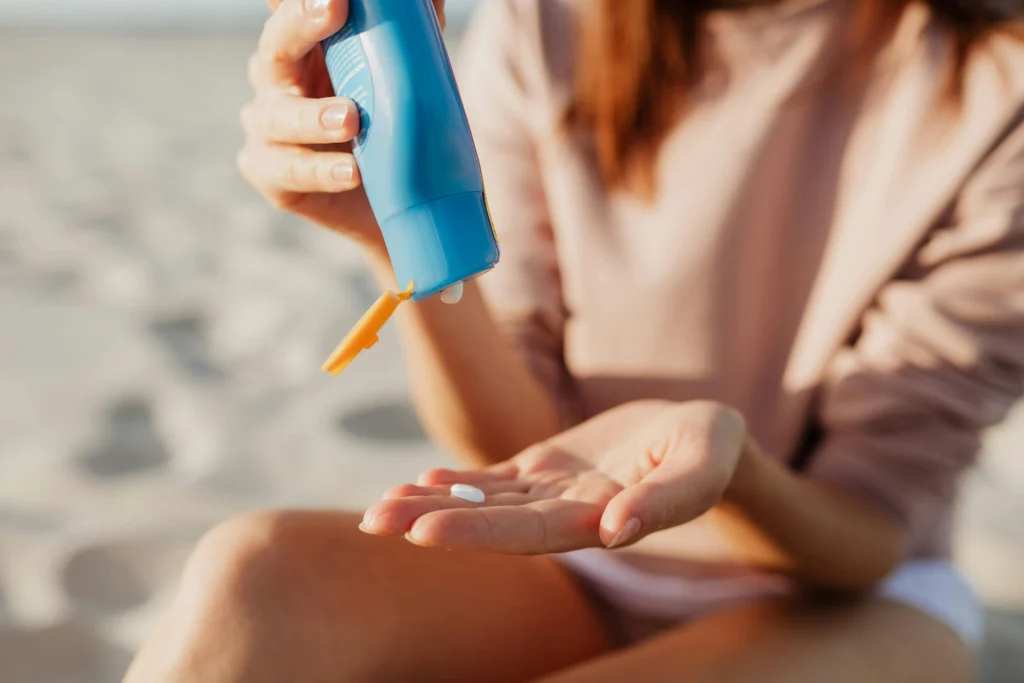
Using a tiny amount makes even the best sunscreen less effective.
A good rule:
- two-finger amount for face + neck
It feels like a lot at first, but lighter formulas make it much easier.
3. Forgetting About UV Exposure Indoors
I used to think sunscreen only mattered at the beach.
Meanwhile I sat near windows daily while working.
UV rays still reach your skin indoors, especially near sunlight exposure.
That’s one reason dark spots can stay stubborn even if you “rarely go outside.”

Now SPF is part of my routine every single morning — even indoors.
4. Choosing SPF Based Only on Texture
A sunscreen can feel amazing and still not protect your skin enough if you don’t use it consistently.
The best sunscreen is honestly the one you’ll wear every day without hating it.
That’s why lightweight textures matter so much.
👉 I also like Skin1004 Hyalu-Cica Water-Fit Sun Serum because it feels closer to skincare than traditional SPF.
The easier sunscreen feels, the easier consistency becomes.
5. Skipping SPF Because You Want to Tan
A lot of people still believe sunscreen completely blocks tanning.
But the truth is:
you can still tan while wearing SPF, especially if you’re outdoors for long periods.
The difference is that sunscreen helps reduce:
- burning
- sun damage
- worsening pigmentation
That’s why protecting your skin matters even if you naturally tan easily.
6. Not Reapplying After Sweat or Swimming
Summer heat makes SPF break down faster.
If you’re:
- sweating
- swimming
- wiping your face often
…your protection decreases much faster too.
This is where SPF mists and sticks help a lot for touch-ups.
👉 The Shiseido Clear Sunscreen Stick is one of the easiest reapplication products I’ve tried because it doesn’t ruin makeup.
7. Thinking Expensive SPF Automatically Means Better Protection
I used to assume expensive sunscreen always meant better quality.
But honestly, consistency matters more than luxury packaging.

Some affordable formulas protect just as well if:
- you apply enough
- reapply properly
- use them daily
The real goal is finding the best sunscreen for your skin type and routine.
The SPF Habits That Helped My Dark Spots Most 💡
Once I stopped treating sunscreen like an optional step, my skin changed a lot faster.
The biggest improvements came from:
- daily use
- proper reapplication
- enough product
- wearing SPF indoors too
That consistency mattered more than constantly buying new treatments.
Summer SPF Q&A ☀️
Does sunscreen expire?
Yes — SPF loses effectiveness over time. Using expired sunscreen can leave your skin less protected, especially during strong summer UV exposure.
Does sunscreen prevent tanning?
Not completely. Sunscreen helps reduce UV damage and slows tanning, but long sun exposure can still create some color change.
Can you tan with sunscreen?
Yes, you can still tan while wearing SPF, especially if you stay outdoors for extended periods without reapplying.
Is sunscreen bad for you?
For most people, sunscreen is considered safe and is one of the best ways to help protect skin from UV damage and worsening pigmentation.
Can sunscreen expire?
Yes. Heat, old packaging, and expired formulas can reduce SPF protection over time, which is why replacing old sunscreen matters.
My Honest Take 💬
I genuinely think sunscreen matters more than most skincare products when it comes to preventing dark spots.
Because even the best brightening routine struggles if UV exposure keeps triggering pigmentation every day.
And honestly, once I found lightweight formulas I enjoyed wearing, consistency became way easier.
Closing Thoughts ✨
Fixing a few simple SPF mistakes made a bigger difference in my skin than constantly switching serums.
Once I focused on protecting my skin daily instead of only treating dark spots afterward, my complexion started looking much more even.
If You’re Working on Your Skin…
You might also like:
- How I faded dark spots gently
- Best Korean sunscreens for summer
- Simple skincare routine for sensitive skin
Save this for later before the hottest part of summer hits ☀️